


Psychedelic Assisted Therapy
A supportive, intentional approach to preparation, exploration and integration.
Psychedelic Assisted Therapy combines therapeutic support and traditional knowledge with evidence-based practices to support the use of psychedelics in healing trauma. The process emphasizes preparation, emotional and physical safety, and thoughtful integration.
Virtual preparation and integration
More Than the Medicine Experience
The experience itself is only one part of the process. Preparation and integration can help you approach it with greater clarity, care and intention.
My interest in psychedelic-assisted therapy began during my undergraduate studies in 2014, when I explored neuroscience and the emerging science of psychedelics. In 2024, I completed my certification as a Psychedelic-Assisted Therapy Provider through the Integrative Psychiatry Institute, with training in therapeutic approaches involving psilocybin, MDMA, and ketamine. This training informs my approach to psychedelic-assisted therapy, which brings together contemporary therapeutic practices, mindfulness, and respect for traditional knowledge surrounding the use of sacred substances.
Psychedelic experiences can bring heightened awareness of emotions, memories, thoughts, and bodily sensations. My background in mindfulness and Somatic Experiencing psychotherapy informs a body-oriented approach that considers the relationship between the mind, body, and nervous system. I recognize the importance of set and setting—the internal mindset, intentions, and expectations a person brings to an experience, as well as the external environment and quality of support surrounding it. Creating a thoughtful, supportive, and non-judgmental therapeutic space can help establish a foundation for exploration and reflection.
Consent and personal autonomy are central to this work. Our therapeutic relationship is collaborative, and you remain an active participant in decisions about your care. You are never expected to share more than you feel comfortable sharing, reach a particular insight, or approach your experience in a predetermined way. Somatic awareness and mindfulness practices can support a greater connection with yourself, while allowing space to reflect on your experience and its meaning in your everyday life.
Preparation
Explore your intentions, questions, concerns and expectations before the experience.
Supported Experience
Create a setting that prioritizes emotional safety, consent and appropriate support.
Integration
Reflect on the experience and consider how its insights may connect with your everyday life.
The Psychedelic Renaissance: History, Research & Evidence

Psychedelic research has a complex history. Scientific interest grew during the mid-20th century, but political opposition, restrictive drug laws, and the broader War on Drugs contributed to a substantial decline in research. In recent decades, renewed scientific investigation—often described as the psychedelic renaissance—has brought increased attention to the therapeutic potential of these substances.
Researchers and advocates, including Rick Doblin, founder of the Multidisciplinary Association for Psychedelic Studies (MAPS), and mycologist Paul Stamets, have helped bring psychedelics and fungi into broader public discussion. Through scientific advocacy, research, and education, these figures have contributed to renewed interest in the relationship between psychedelics, mental health, and human well-being.
Clinical research into MDMA-assisted therapy for post-traumatic stress disorder (PTSD) and psilocybin-assisted therapy for treatment-resistant depression (TRD) has produced encouraging findings. In a Phase 3 clinical trial of MDMA-assisted therapy, 71.2% of participants no longer met the diagnostic criteria for PTSD following treatment, compared with 47.6% of participants receiving therapy with a placebo. In clinical trials investigating psilocybin for treatment-resistant depression, results consistently show rapid, substantial, and lasting reduction in depressive symptoms.
These findings represent an important development in the study of psychedelic-assisted therapies and have helped renew scientific interest in their potential role in mental health care. Research continues to explore how these substances, alongside psychological support, may offer new avenues for understanding and addressing complex mental health challenges.
Is Psychedelic-Assisted Therapy Right for You?
Psilocybin-Assisted Therapy is not appropriate for everyone. A consultation and screening process is needed to understand your goals, health history, current medications and other factors that may affect safety or suitability.
Who Might Explore Psychedelic-Assisted Therapy?
Interest in this approach does not necessarily mean an assisted journey will be appropriate. Individual screening is required.
When Might Psychedelics Not Be Appropriate?
Additional caution and professional assessment may be required for borderline personality disorder or a substance-use disorder.
How Psychedelic Therapy Works
A number of substances are being studied for their potential therapeutic applications, including LSD, mescaline, psilocybin and ayahuasca.
Camber’s formal training focuses on therapeutic approaches involving psilocybin, MDMA and ketamine. Each substance affects the brain and body differently and has its own risks, research base and legal status.
MDMA
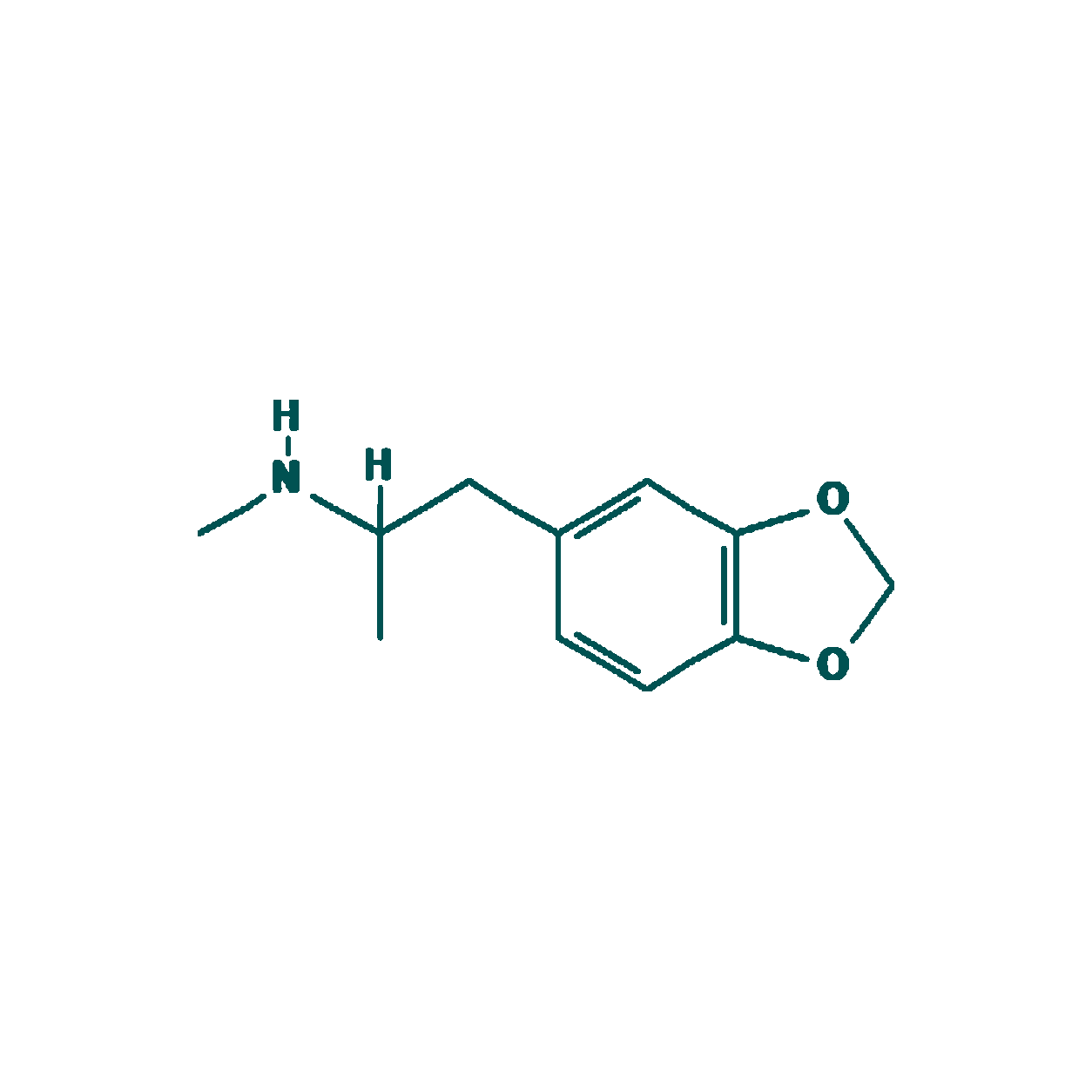
MDMA is generally described as a stimulant and empathogen rather than a classical psychedelic. It affects several neurotransmitter systems and may influence emotional processing, social connection and responses to fear and threat.
Within controlled research settings, these effects may help some people approach difficult memories with a greater sense of emotional safety and self-compassion. Research continues into its potential role in trauma treatment.
Psilocybin
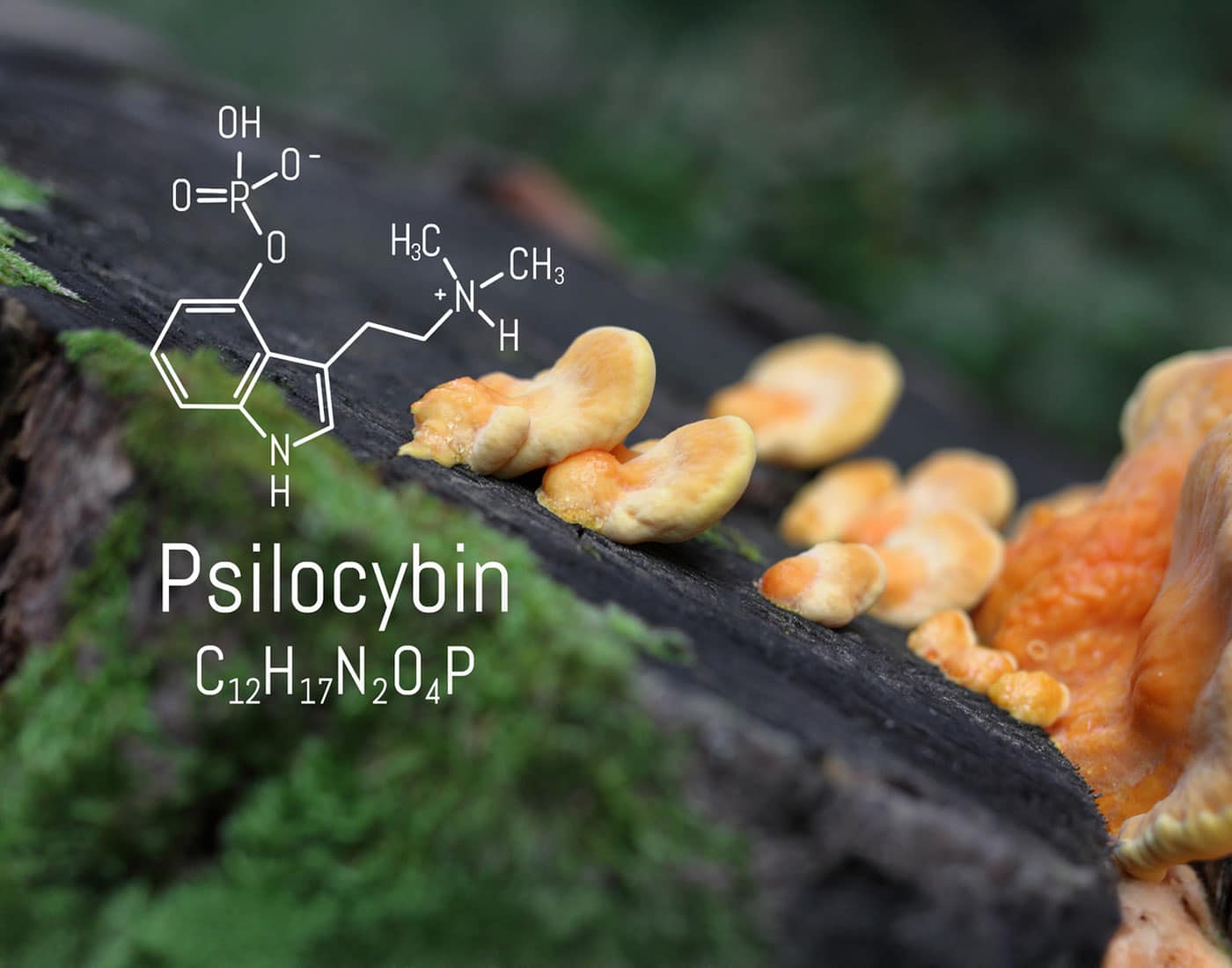
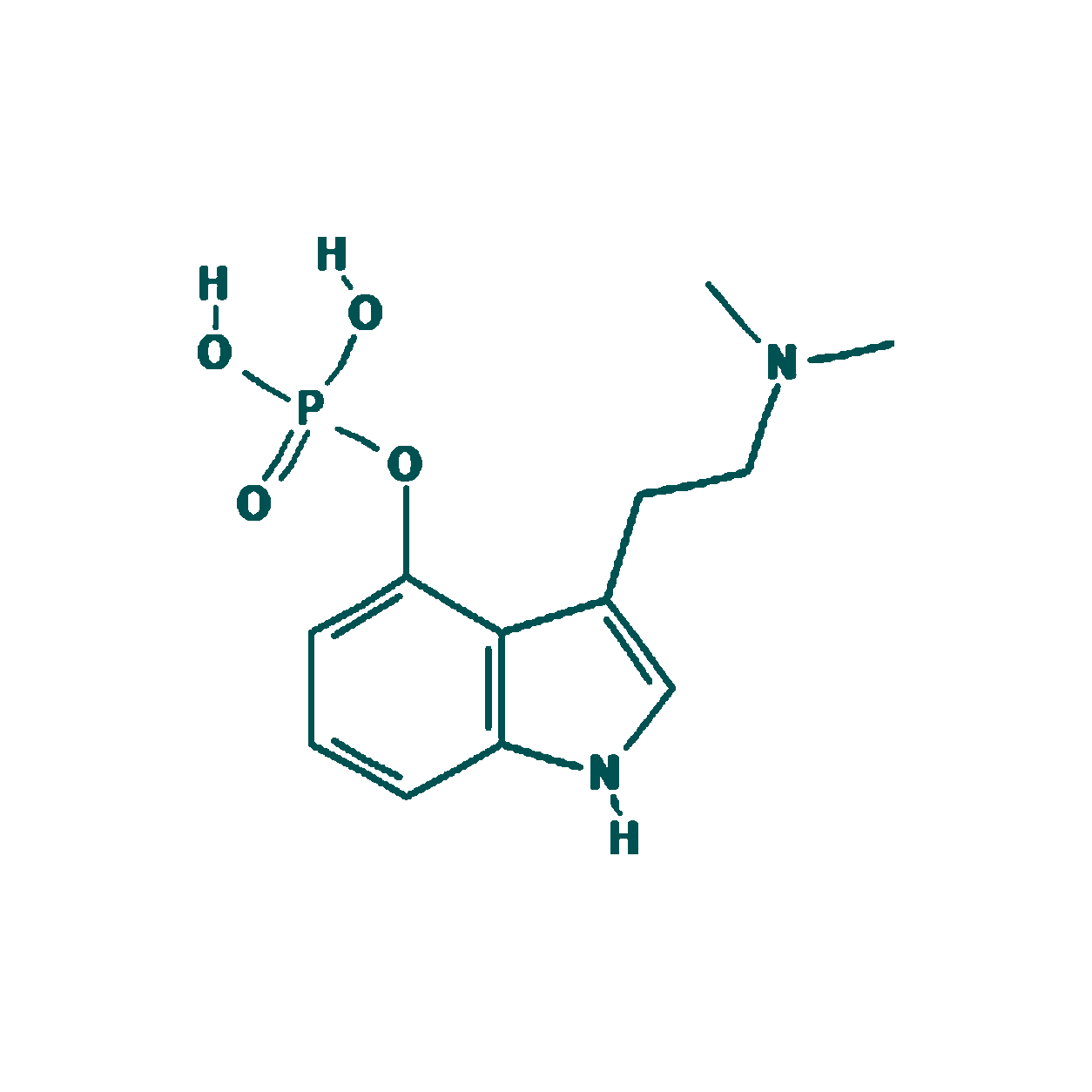
Psilocybin is a naturally occurring psychedelic compound found in certain mushrooms. It acts primarily on serotonin 5-HT2A receptors, affecting perception, mood and cognition.
Research is exploring how psilocybin, when used within carefully controlled settings and accompanied by psychological support, may affect neuroplasticity and symptoms of depression and other mental-health concerns. Effects and outcomes vary, and psilocybin is not appropriate for everyone.
Ketamine
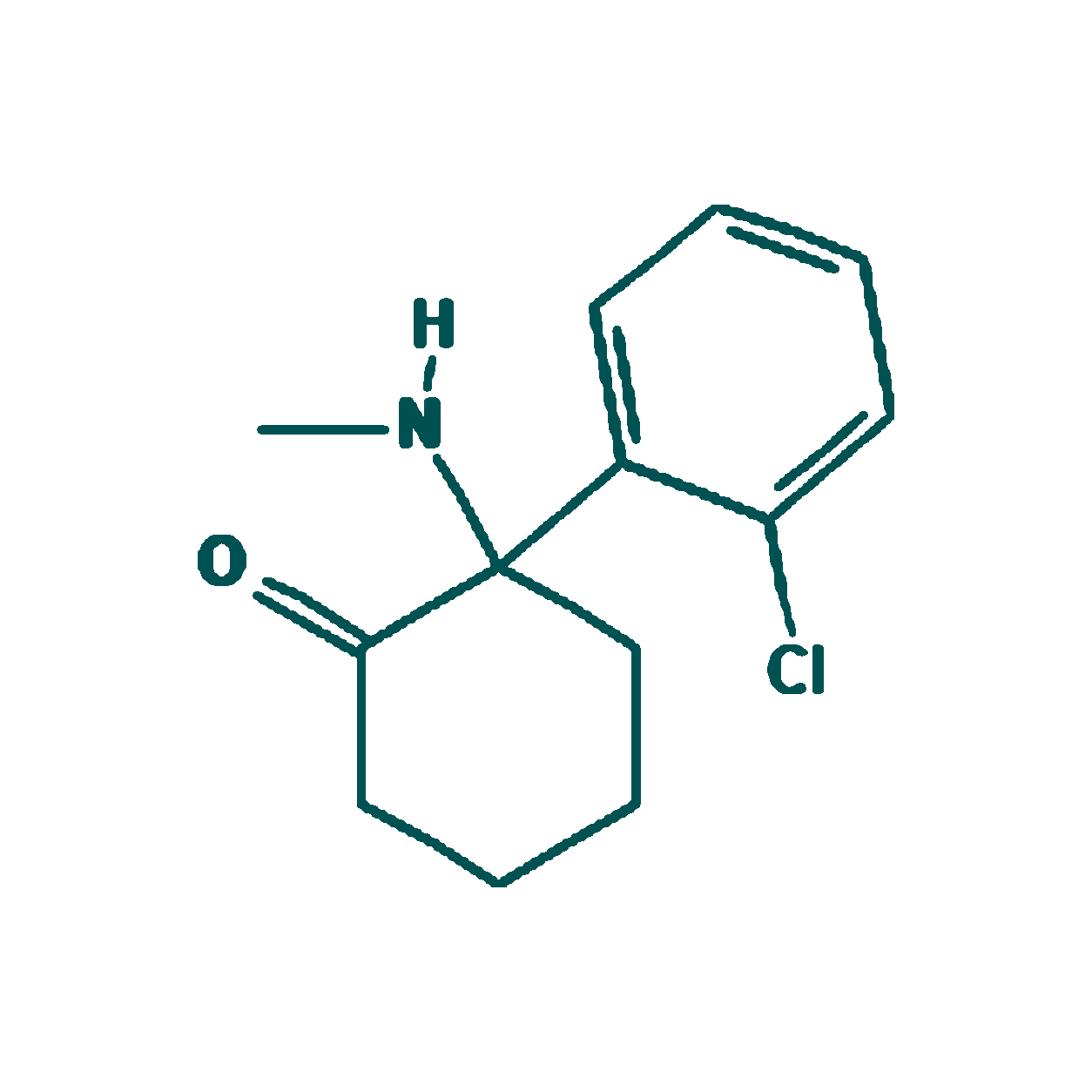
Ketamine is a dissociative anaesthetic rather than a classical psychedelic. It acts primarily through the glutamate system and has demonstrated rapid antidepressant effects in some people with treatment-resistant depression.
Therapeutic ketamine treatment requires appropriate medical assessment, prescribing and monitoring. Preparation and integration counselling may help people reflect on experiences occurring within properly supervised medical care.
Preparation, Integration and Assisted Journeys
Psychedelic Preparation and Integration
Anyone can book a psychedelic preparation or integration session. We recognize that people may choose to use psychedelics independently for personal healing or recreational purposes.
Blue Ridge Counselling does not promote the use of psychedelic substances in unauthorized or uncontrolled settings. However, if you are considering using a new substance, preparation can support informed decision-making, harm reduction and greater awareness of set, setting and available support.
Integration sessions provide a non-judgmental space to reflect on a previous psychedelic experience, including one that felt confusing, overwhelming or difficult. Preparation may help reduce certain risks, but it cannot guarantee that a challenging experience will not occur.

Psychedelic-Assisted Journeys
Camber offers assisted journeys for eligible clients experiencing PTSD or treatment-resistant depression.
Strict screening considers mental-health and medical history, medications, current supports and overall stability.
Camber does not sell or provide substances. Assisted journeys are not counselling services and cannot be submitted to extended-health insurance.
Location, Fees and Coverage
Location & Fees
Psilocybin-Assisted Therapy is offered in person in Port Coquitlam. Contact Camber to learn more about session options, availability and pricing.
Initial consultation
Free 15-minute phone or video consultation.
Camber offers a free 15-minute consultation to discuss the service, answer initial questions and determine the appropriate next step.
Extended Health Coverage
Some counselling sessions provided by a Registered Clinical Counsellor or Canadian Certified Counsellor may be reimbursed through an extended health plan.
Coverage for preparation, integration, extended sessions or other parts of this service may vary. Clients should check directly with their insurance provider before booking.
Cancellation Policy
Cancellation requirements may differ for extended in-person sessions. Confirm the applicable notice period and cancellation fee with Camber.
Payment
Payments can be made through Jane’s secure billing system or by Interac e-transfer.
Explore Whether This Approach Is Right for You
Whether you are looking for preparation, support integrating a previous experience or information about an assisted journey, a free consultation is a good place to begin.
You can ask questions, learn more about the available services and discuss the most appropriate next step.